
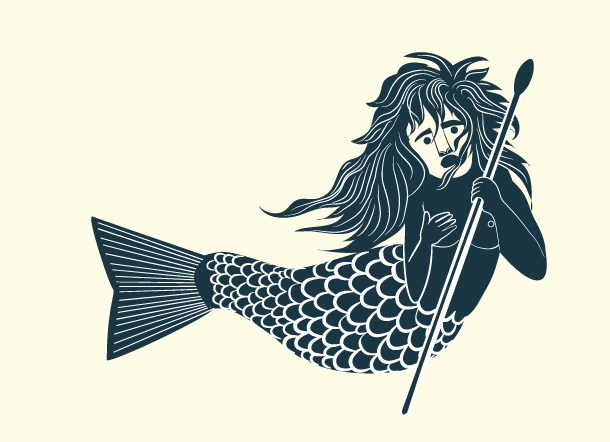
Across the African continent, ancient stories still live through the languages and practices of communities connected to the past, present and future.
The beauty of African languages is they manage to be both practical and conceptual at the same time. As those early humans spread across the earth, their stories travelled with them, helping them to relate to the unseen, unknown world of human nature, or explain forces like creation, weather, and strength. The stories taught them to remember and respect the hidden dangers and treasures of the natural world.
They adjusted the stories to wherever they went as they learned more about the world and as the human population grew these seeds of stories took on lives of their own. Nowadays we hear myths and legends and they sound similar to things we’ve heard before. Vampires, wherever they are, do the same things; goblins, and giants might vary stylistically, but the core of their stories have a very similar structure. Fairies, merfolk, enchanted objects are all things we can relate to no matter where we come from.
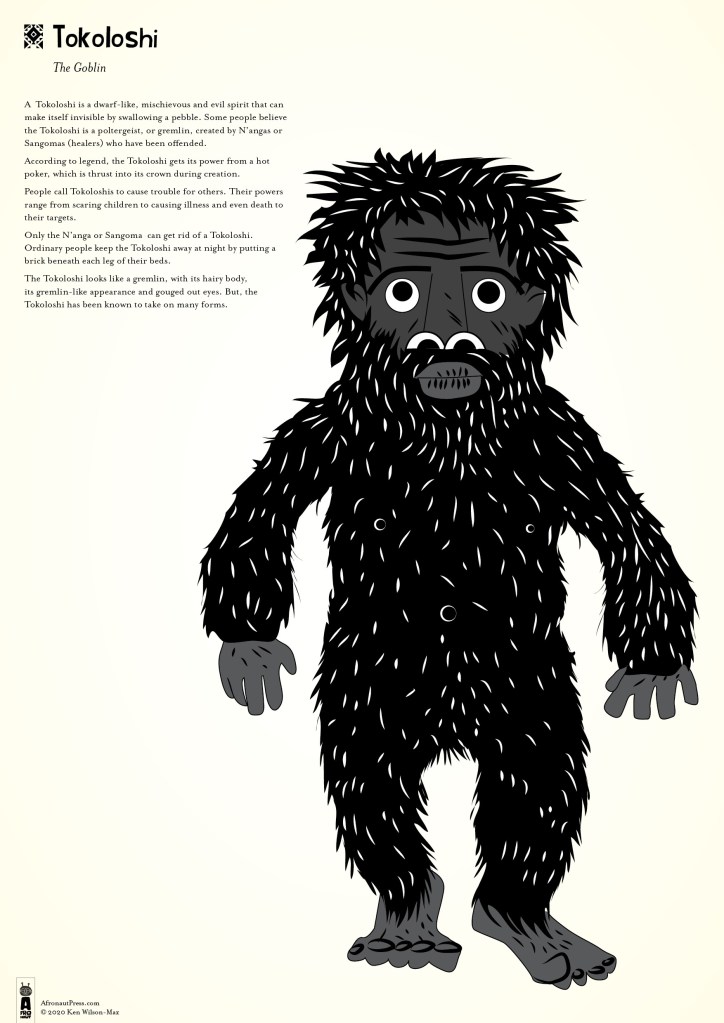
Over the years I have been researching African myths, legends and creatures. I heard some of these stories as a child in Zimbabwe. My driving ambition has been to collect as many as possible to show the depth and breadth of African and southern hemisphere myths purely for my own education. I posted a few as a curiosity exercise and was pleasantly surprised at how many people reposted and shared and liked them. Some of my most viewed posts are about these mythical creatures. Only in the least few years did the idea of a book of creatures crystallise. There were many things to consider, such as, who on earth would buy the book if it existed, and why? How could the book get in front of African readers in accessible and affordable ways? How many creatures should go into the book?
The answers are slowly revealing themselves. The only way to know them has been to make the project happen. The book is weeks away from completion. If you want to track its progress, follow this blog.
Discover more from The Illustrationist
Subscribe to get the latest posts sent to your email.


